search
Home - Blog
  • 15 /10

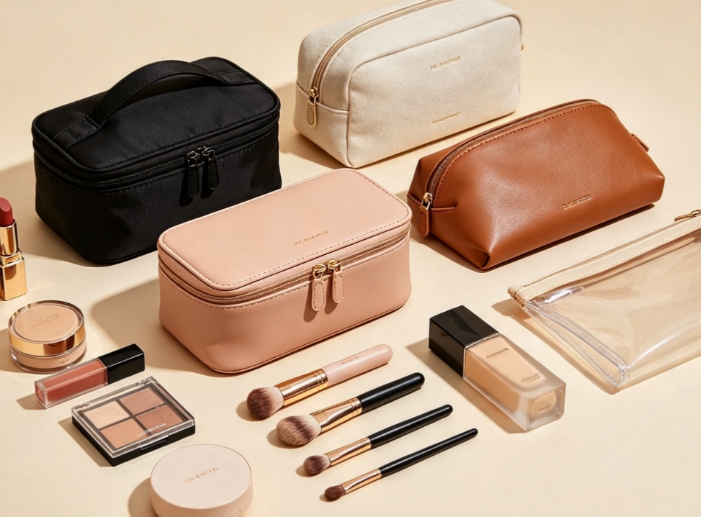
    Mixed-Material Cosmetic Bags for OEM Programs

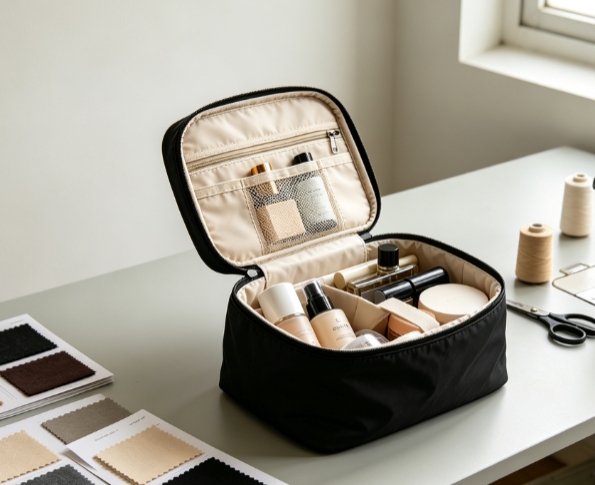
    A cosmetic bag often has to protect, organize, clean easily, and carry a clear visual identity at the same time. Mixed materials can help, but only when each fabric has a practical role in the finished OEM program. One Material Rarely Solves Every Job A cosmetic bag often needs to look clean, protect small products, […]

  • 15 /10

    Custom Bag Sampling: Small Changes, Big Effects

    A sample is not just a preview of a custom bag; it is the moment when design language becomes production instruction. Buyers who review small changes carefully usually prevent the larger mistakes that appear after bulk cutting begins. Small Changes Can Rewrite the Pattern A custom bag sample is where a simple design preference becomes […]

  • 07 /10

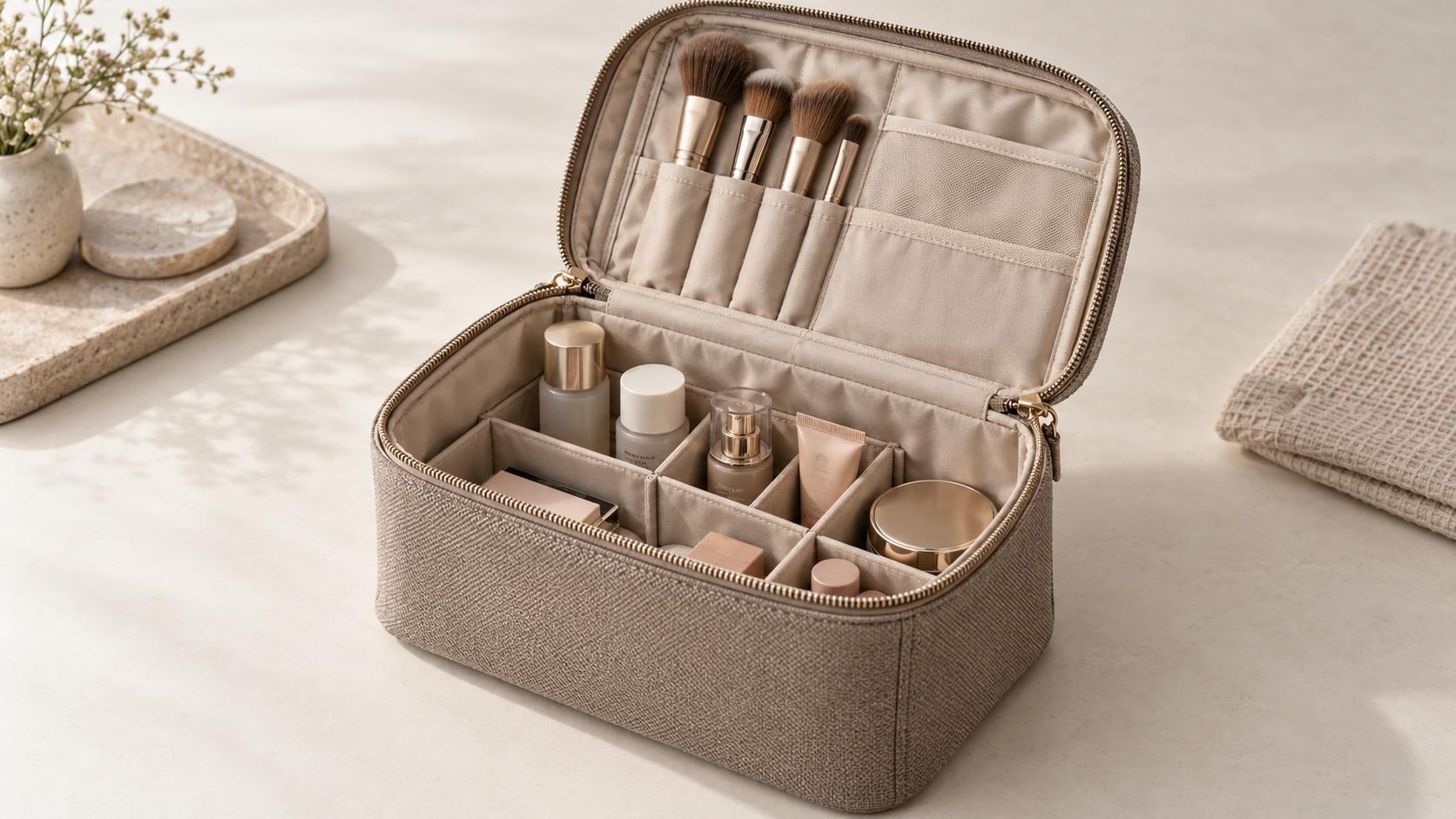
    Why Larger Makeup Bags Need Smarter Zippers

    As a makeup bag grows, the zipper stops being a simple closure and becomes part of the storage system. Its position controls how far the bag opens, how the contents are seen, and how much stress the panels receive. For teams developing larger cosmetic formats, zipper layout is a usability and production decision at the […]

  • 01 /10

    Beach Bag Materials Under Sand Moisture and Load

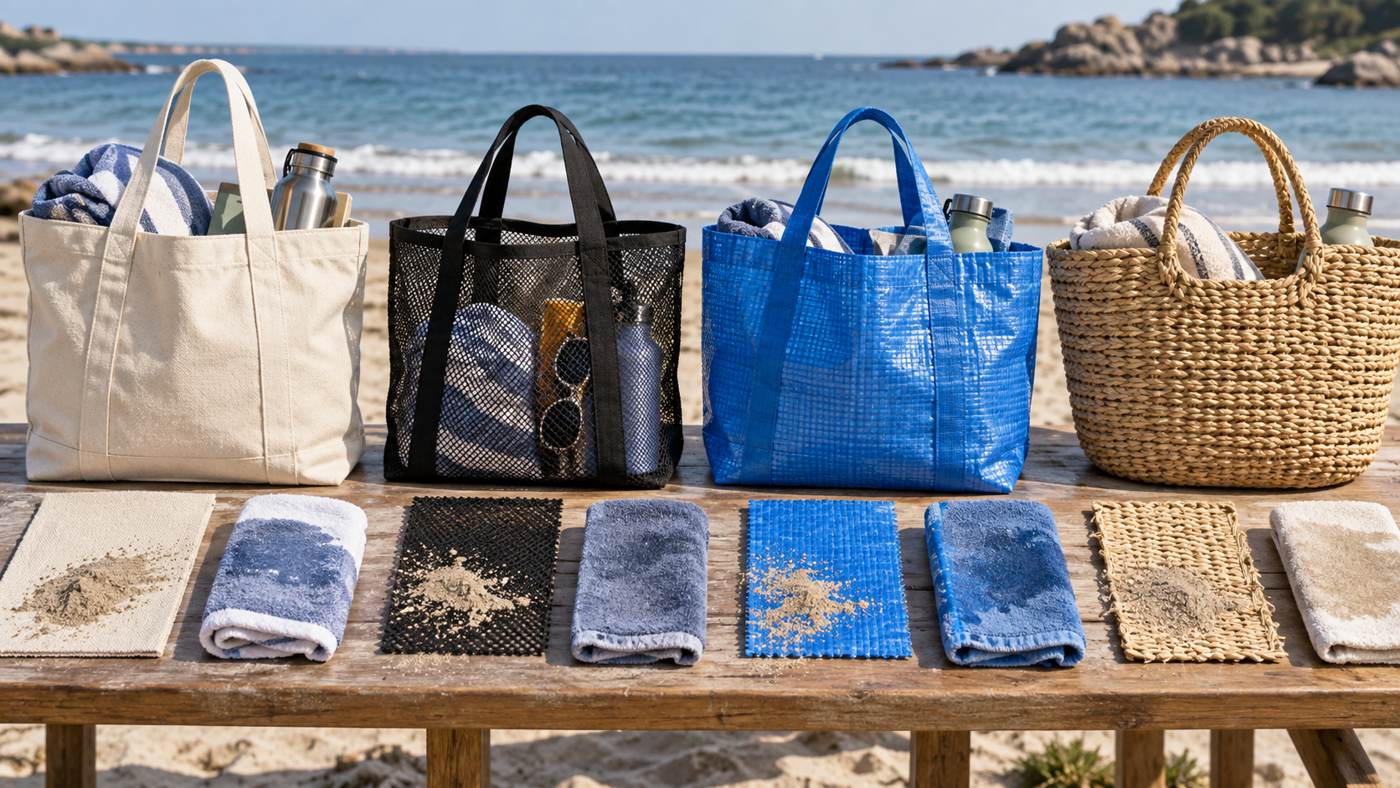
    Beach bag materials reveal their real differences when sand, damp contents, and a heavy load arrive together. Wholesale buyers can avoid mismatched specifications by comparing how canvas, mesh, woven polypropylene, and straw behave in the same practical conditions. Beach Conditions Expose Material Tradeoffs A beach bag faces three practical stresses at once: fine sand works […]

  • 24 /09

    Mini Cosmetic Pouch Engineering for OEM Buyers

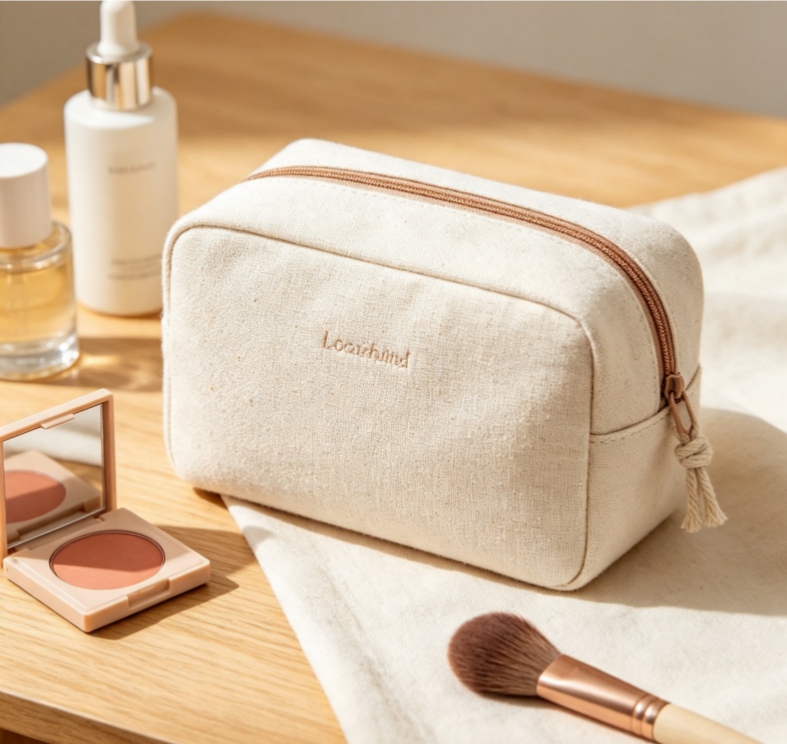
    Mini cosmetic pouches look simple because they are small, but that small format leaves little room for production mistakes. A few millimeters can change zipper movement, corner shape, logo position, and usable volume. For OEM buyers, the real question is how to make a pouch compact enough for the line while still stable, attractive, and […]

  • 24 /09

    Why Multi-Zone Thermal Bags Beat Single Coolers

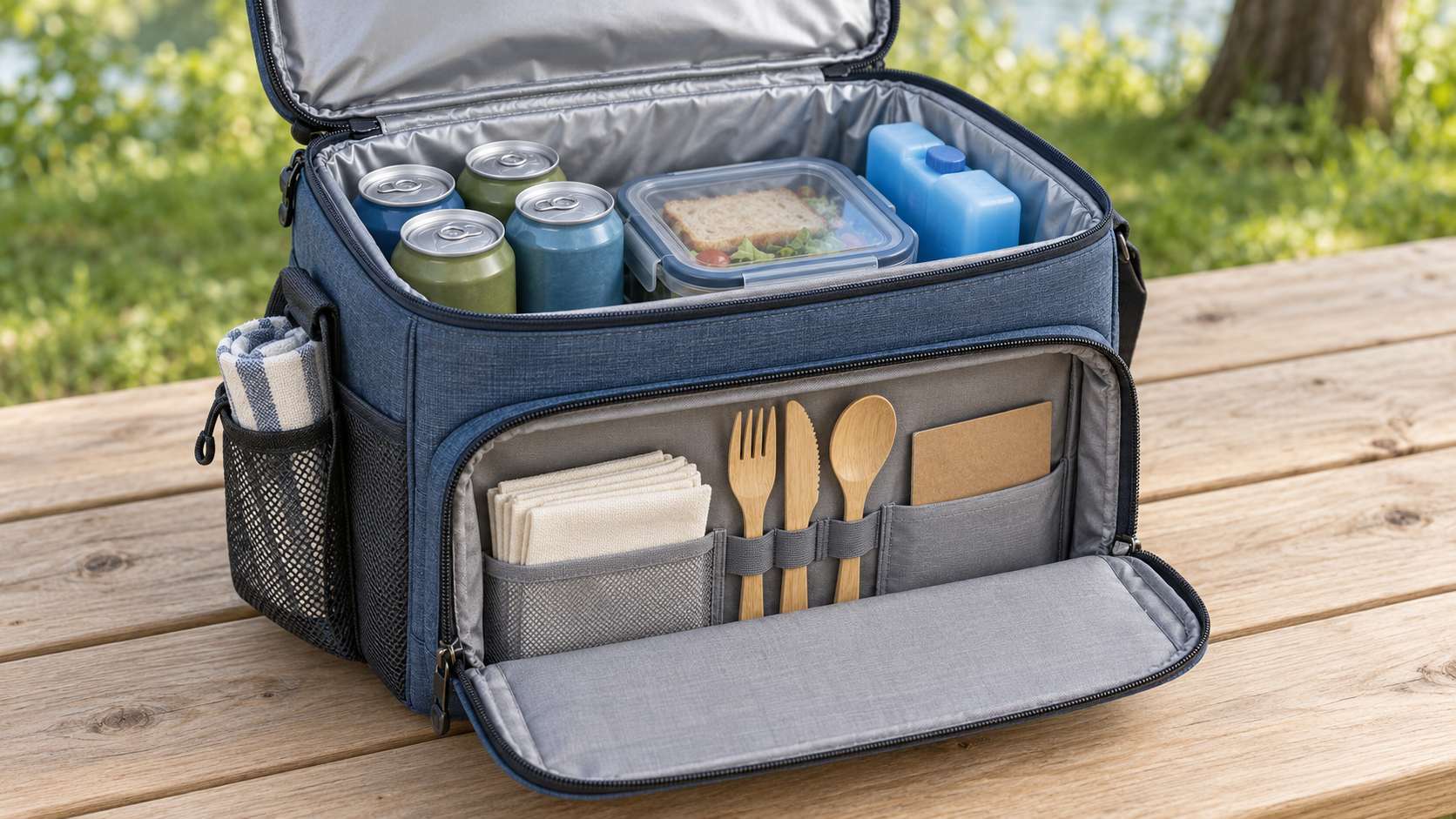
    Cooler programs become harder to control when chilled goods, dry inserts, and accessories share one open space. Multi-zone thermal bags solve that problem by turning the bag interior into a clear packing plan instead of a loose container. Split Loads Reduce Real Handling Friction A single cooler cavity looks efficient until one program needs different […]

  • 17 /09

    Large Makeup Bag Zipper Layout for OEM Buyers

    A larger cosmetic bag gives users more space, but it also makes zipper design more visible and more important. The opening must let products move in and out smoothly, while the sewn structure still keeps its shape after packing. For OEM buyers, zipper layout is a production decision that affects access, appearance, defect risk, and […]

  • 17 /09

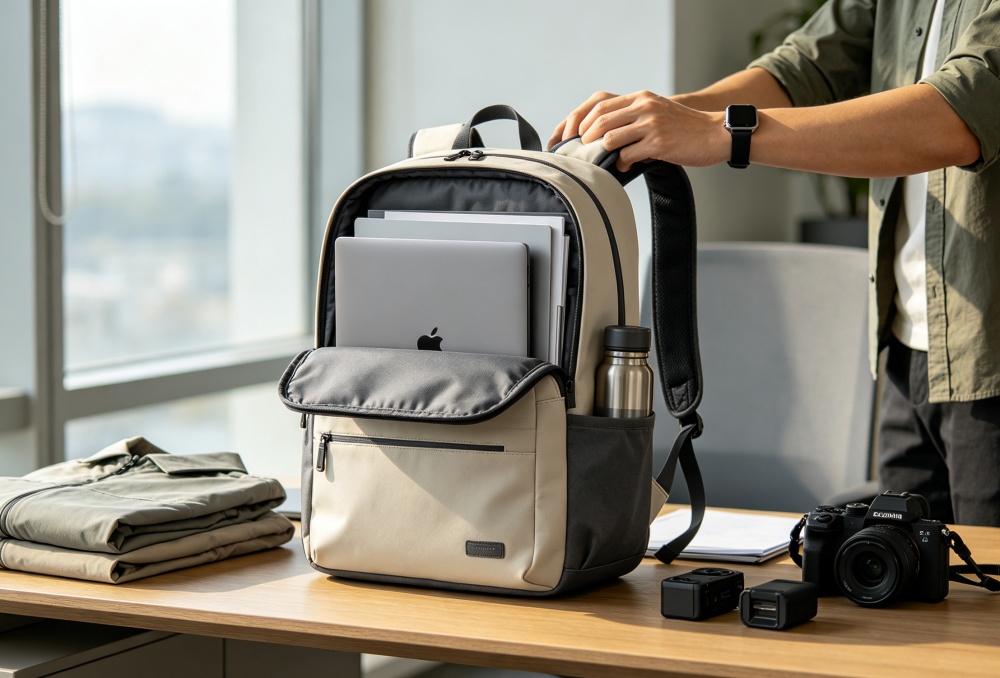
    Lightweight Durable Backpack Production Challenges

    Lightweight backpacks are easy to request and hard to manufacture well. Reducing weight can weaken structure, while adding durability can make the bag bulky, stiff, or costly. For B2B buyers, the real challenge is finding the point where fabric, padding, reinforcement, and production control work together instead of fighting each other. Lightweight Design Starts With […]

Home
Contacts
WhatsApp
Email