
Mold Prevention & Protection for Bag Suppliers
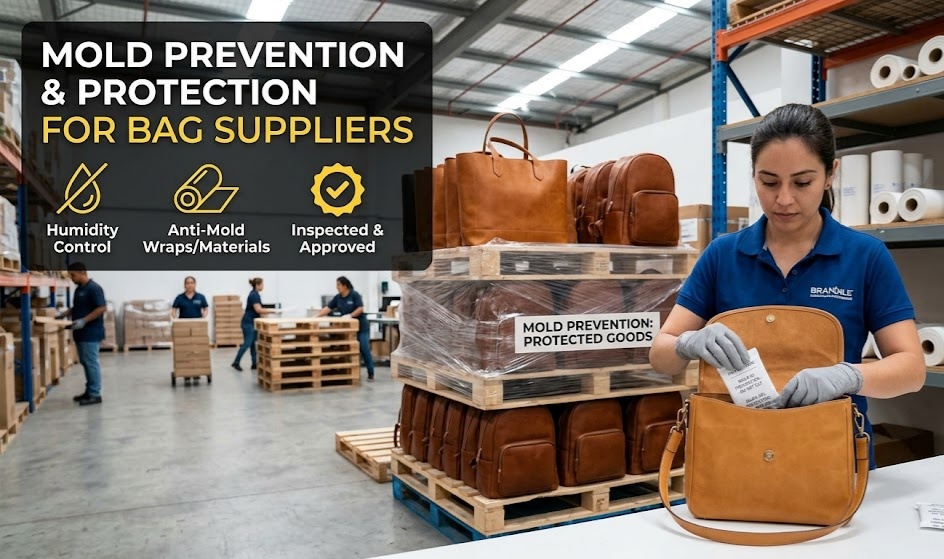
In the busy field of custom bag supply, keeping stock in top condition matters a lot for happy customers and ongoing business. A moldy bag means more than a missed sale. It can harm your brand image and cause expensive refunds. Providers of custom bags with logo wholesale, such as private label bags, require solid, practical steps to stop mold from forming. This covers everything from production to keeping and sending out goods. Based on proven industry methods, studies on moisture handling, and actual shipping facts, we offer tips that suit providers, custom bag manufacturers in China, and backpack wholesale suppliers the same way.
Why Mold Happens to Bag Inventory
Mold starts growing when moisture mixes with heat and natural food materials. Bags made from leather or plant-based cloths make perfect spots for it under the right setup. Leather has a high-end feel. Yet it takes in water and can feed mold when the air feels damp and air movement is lacking. The same goes for cloth items like canvas, cotton mixes, or polyester. These give threads for mold bits to stick, mainly in wet storage rooms or moist transport boxes.
In a provider’s setup, air dampness over about 60% marks a point where mold bits wake up. They start to spread on weak materials. Without active handling of the surroundings, good bags, like custom backpacks with logo and chinese backpacks, can wear down before they get to buyers.
Critical Inventory Storage Solutions for Mold Prevention
Good storage starts by managing three main elements: heat levels, dampness, and air flow. Here is what we stress and suggest to our partners:
Environmental Controls Table – Ideal Conditions for Bag Storage
| Factor | Target Range / Practice | Why It Matters |
| Relative humidity | 40–55% | Reduces mold spore activation |
| Temperature | 15–22°C (59–72°F) | Limits condensation risk |
| Airflow | Steady circulation | Prevents stagnant damp pockets |
| Air filtration | HEPA or moisture control | Reduces spores & allergens |
Brief times of fresh air each day and steady checks on weather help stop water buildup in boxes or on leather parts. For leather stock especially, steer clear of closed plastic wraps or boxes. They hold in water and speed up mold spread.
Placing moisture pullers, like silica gel packets, in storage boxes and show shelves draws away extra dampness. This stops it from settling on bag parts. Such tools form standard ways to guard products, as experts in item safety advise.
Packaging and Shipping: Keeping Products MoldFree In Transit
Sending goods brings certain water dangers, above all for long ocean trips or changing weather areas. Claims about mold often rise when transport boxes face heat changes. These cause water drops inside packs. To cut this down:
- Climatecontrolled containers(if budget allows) greatly lower shifts in dampness.
• Ventilated packaginglets caught water get out.
• Moisture absorbers set both in and out of the main pack layer grab extra water on the way.
For providers of custom backpacks with logo or chinese backpacks, putting money into strong pack options brings real gains. It leads to fewer buyer issues and send-backs. Right labels and care guides also aid shipping teams in keeping your goods whole during the trip.
PreShipment Inspection & Quality Assurance
As stock shifts from making to storage to sending abroad, checkpoints prove vital. Outside quality checks, which cover water tests and eye scans for outer mold, spot problems before items get closed and sent. Some expert test groups do mold amount reviews before loading. This gives suppliers calm when exporting large lots.
This quality check step fits well for backpack wholesale suppliers handling busy seasons or large orders. There, goods move fast.
If Mold Appears: Safe Cleaning Protocols for Leather and Fabric
Even with guard steps, mold spots might happen now and then. Dealing with them right avoids more harm and leads to stronger guard plans later.
For leather bags:
- Lightly brush off loose mold bits outside or in a spot with good air flow.
- Clean parts with a soft rag wet with a gentle alcohol mix (thinned rubbing alcohol and water). This kills mold bits without soaking the leather.
- Skip heavy wetting or machine washing. Leather handles extra water poorly. It can face damage.
For cloth and canvas bags, a soft soap wash followed by full air drying cuts mold bits. It keeps the fabric’s strength.
Mold Removal Resources & Considerations
| Material | Cleaning Method | Caution |
| Leather | Alcoholdampened cloth, light brushing | Avoid soaking |
| Fabric | Mild detergent + air dry | No heat drying |
| All | Ventilate before and after | Prevent spore spread |
These steps work well for surface mold. Deep cases might need pro-fix methods.
Strategic Supplier Actions That Build Trust
Taking active steps against mold sets solid providers apart from others. With know-how from custom bag manufacturers in China in picking materials and safe packs, you lower claim numbers. You also help clients ahead of time. Teach your buyers about needed storage setups. Add water control items in big sends when it fits.
Camytonc has set up strong dampness watch systems, routine stock reviews, and special pack setups for leather and cloth goods. Our method cuts mold chances for clients getting custom bags with a logo wholesale. It makes sure private label bags show up fit for store shows or more changes.
Partner With Us for MoldProofed Custom Bag Supply
Strong mold guard and fix plans hold key in the current worldwide supply links. They matter for quality and good name. At Camytonc, we use planned storage spots, aimed pack plans, and full checks before sending. These protective bag stocks for backpack wholesale suppliers and world sellers. Find out more about our skills and how we stop mold problems at each step on our company site https://www.camytonc.com/ and our custom backpack offerings: https://www.camytonc.com/custom-backpacks/.
Team up with us to make sure your custom bags with logo wholesale and private label bags reach without mold, on schedule, and set for good results. Get in touch for custom fixes and better supply chain plans.
Frequently Asked Questions
Which materials are most at risk for mold in transit?
Natural leather and raw fabric parts mold faster than fake ones. Adding pullers and air-permeable packs lessens this danger.
Are climatecontrolled containers necessary for overseas shipments?
They are not always needed. Yet controlled heat shipping cuts water drop risks, mainly in shifting weather on paths.
What packing elements help minimize mold exposure?
Putting silica gel or like pullers in packs and picking air-let outer layers aid in handling water air on the move.
Do I need specialized cleaners for leather vs fabric?
Yes. Leather needs alcohol-based or soft pH mixes. Fabric does well with light soap washes and full dry.
Can mold prevention be scaled for large inventories?
Yes. Pullers, dampness watches, and steady checks fit easily into big supply work.
What support do you provide if mold is discovered after delivery?
We team with clients to check mold reasons and suggest fix steps. This includes shipping changes and pack upgrades to stop repeats.
What information do you need for accurate pricing?
Share material kind, order size, logo/print needs, and end spot setups. Our group will make a fair price fast.
Does adding preventive packaging extend manufacturing timelines?
Extra guard packing might add a small amount of work time. But we streamline steps to keep strong wait times for big orders.