How to Develop Custom Backpacks for Different Marketsv
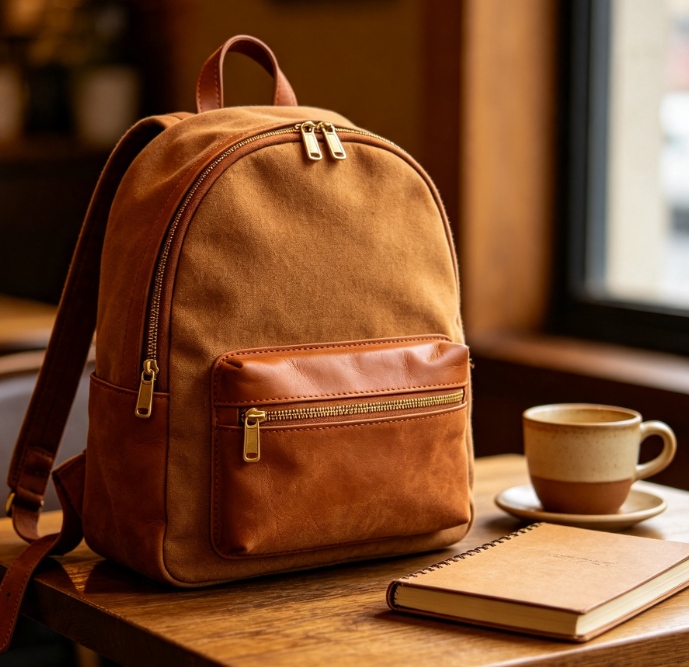
A backpack that succeeds in one market may fail in another because users, carrying habits, climate conditions, price expectations, and purchasing decisions are different. A commuter backpack, school backpack, travel backpack, and outdoor backpack may share the same basic structure, but the details that define a successful product are not the same.
Define the Market Before Designing the Backpack
Before selecting materials or adding features, brands should translate market expectations into a clear product direction. Different users prioritize different functions, and these priorities should guide the design process.
Important questions include:
- Who is the target user?
- What items need to be carried?
- How frequently will the backpack be used?
- What environment will it face?
- What price segment does the product target?
- What brand image should the backpack communicate?
Below is a reference table:
| Target Market | User Expectation | Design Focus |
| Urban commuter | Protection and convenience | Laptop compartment, quick-access pockets, comfortable carrying |
| Education | Durability and organization | Strong construction, practical storage, easy maintenance |
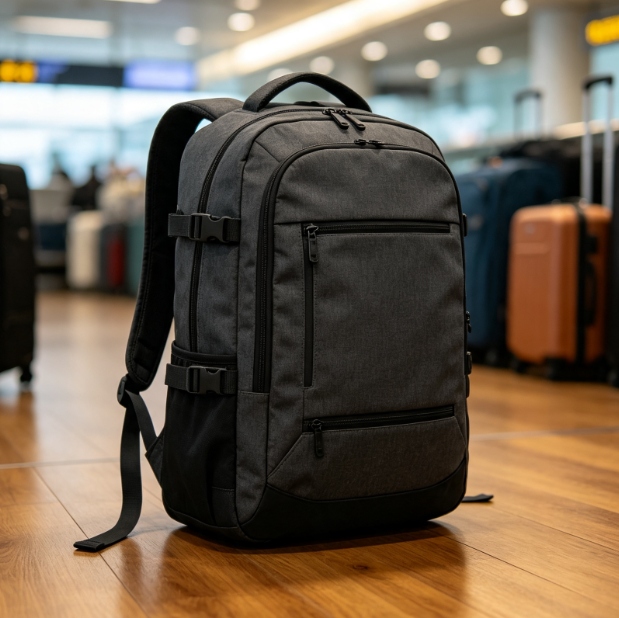
| Short travel | Flexible packing | Expandable capacity, visible organization, accessible compartments |
| Outdoor use | Stability and protection | Reinforced areas, weather-resistant materials, ergonomic support |
| Promotional market | Brand visibility | Logo placement, cost control, scalable production |
Understanding the market first helps avoid developing a backpack with unnecessary functions or a design that does not match the user’s expectations.
Convert User Needs Into Product Specifications
After defining the market, the next step is turning user requirements into measurable product specifications.
Capacity should be based on the actual load instead of a general size description. Brands should identify the largest items, daily essentials, and products that require separate storage.
Camytonc supports customized backpack development with different storage layouts, laptop compartments, adjustable organization systems, carrying solutions, and branding options. These elements allow brands to create products based on actual market requirements rather than adapting users to an existing style.
Select Materials According to Market Position
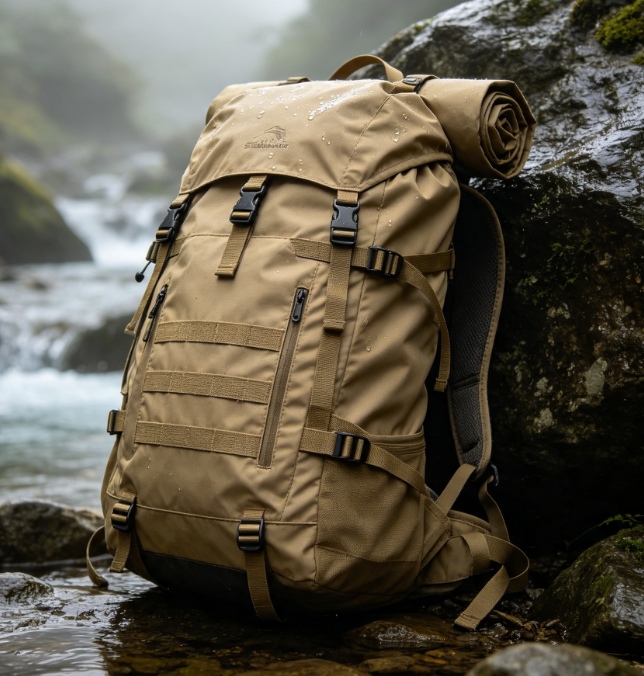
Material selection affects durability, appearance, cost, and user perception. Fabric choice should match both the functional requirements and the market positioning of the backpack.
Common options include:
- Nylon:Provides a strong balance between durability and weight, suitable for products requiring abrasion resistance.
- Polyester:Offers flexible color options and cost advantages for a wide range of commercial applications.
- Canvas:Creates a natural texture and lifestyle appearance for casual or fashion-oriented products.
- Synthetic leather or leather accents:Supports a more premium visual direction.
Water resistance should also be evaluated carefully. A water-repellent fabric does not automatically create a waterproof backpack. Zippers, seams, openings, and attachment points can affect overall protection, so final performance should be verified through sample testing.
Balance Features, Cost, and Manufacturing Feasibility
Adding more features does not always create a better product. Excessive compartments, complex accessories, and unnecessary components can increase production costs, weight, and manufacturing difficulty.
A practical development brief should separate features into three levels:
| Feature Category | Purpose |
| Must-have features | Directly support the product’s main function and user requirements |
| Supporting features | Improve convenience, comfort, or product presentation |
| Optional features | Add differentiation but require cost and reliability evaluation |
This approach helps brands maintain a clear product strategy while allowing manufacturers to suggest practical improvements.
A professional custom backpack manufacturer should not only produce the design but also help evaluate whether each feature improves market value or creates unnecessary complexity.
Validate the Design Through Sampling
A custom backpack sample is a decision-making tool, not just a visual reference. Before bulk production, brands should evaluate whether the design delivers the intended user experience.
A complete sample review should include:
- Checking whether the target load fits correctly
- Testing access to different compartments
- Evaluating comfort under realistic weight
- Inspecting stress points such as handles and shoulder straps
- Reviewing material appearance and durability
- Confirming logo placement and branding quality
The sample process should connect every observation to the original market goal. A commuter backpack should be reviewed for convenience and protection, while an outdoor backpack should be evaluated for stability and durability.
Camytonc’s development process covers requirement confirmation, sampling, material selection, production, inspection, packaging, and delivery. This allows buyers to move from an initial concept to a production-ready backpack solution.
Prepare the Specification Before Mass Production
Once a sample is approved, the next step is creating a repeatable production standard. Clear documentation reduces differences between the approved sample and bulk orders.
A detailed specification sheet gives both the brand and manufacturer a consistent reference throughout production.
For international buyers, this step is especially important because product consistency directly affects customer experience and brand reputation.
Choose an OEM Partner for Market-Specific Backpack Development
Developing a successful custom backpack requires more than selecting a factory with existing styles. Brands need a manufacturing partner that can understand market requirements and translate them into practical product solutions.
The right OEM partner should provide support in:
- Product structure development
- Material selection
- Functional customization
- Sampling improvement
- Production management
- Quality control
Camytonc provides OEM/ODM backpack manufacturing solutions with customization options covering materials, compartments, carrying systems, branding, and packaging. The company works with buyers to develop backpacks that match different market requirements and commercial goals.
Build Custom Backpacks Around Real Market Needs
A successful custom backpack begins with understanding the user and ends with consistent production. Market research defines the product direction, specifications translate needs into structure, sampling verifies performance, and manufacturing control ensures repeatability.
For brands, wholesalers, and distributors, the best backpack solution is not the one with the most features. It is the one where every design choice supports the target market.
Camytonc helps businesses develop customized backpack solutions based on product requirements, market positioning, and manufacturing needs. Buyers can discuss their target application, materials, and design expectations to begin the development process.
FAQ
What information should brands provide before developing a custom backpack?
Brands should provide the target market, user profile, product purpose, carrying requirements, preferred materials, functional needs, branding details, and expected order quantity.
How do buyers choose the right backpack capacity?
Capacity should be determined by the actual items users need to carry. Measuring the largest items and organizing the expected load helps create a practical backpack size.
Should brands customize an existing backpack style or create a new design?
An existing style can be suitable when the structure already matches the target market. Full customization is better when brands need unique functions, different materials, or specific user experiences.
How can brands control custom backpack costs?
Cost control starts by prioritizing essential functions, selecting suitable materials, avoiding unnecessary features, and working with manufacturers during the design stage.