
Durable Thermal Bag Materials for Outdoor Use
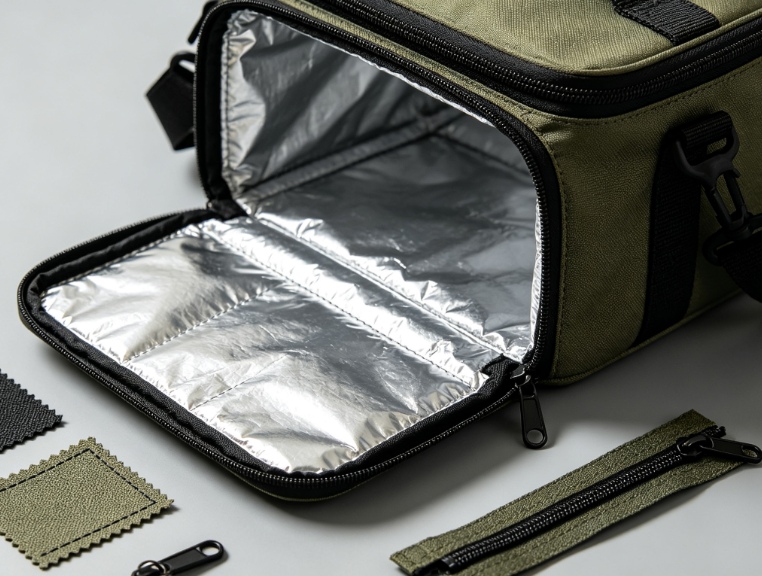
Outdoor thermal bags face harsher use than a standard indoor lunch tote. They may be placed on grass, sand, boat decks, picnic tables, and vehicle floors while carrying bottles, ice packs, and chilled goods. When you plan a durable outdoor cooler program, it helps to understand how outer fabric, insulation foam, lining, closures, and reinforcement work together before approving materials and samples.
Durability Comes From a Material System
A durable outdoor thermal bag is not made strong by one fabric name alone. The full system includes the outer shell, coating, insulation layer, lining, zipper, seams, webbing, bottom structure, and the way each layer is stitched or bonded.
This is where our custom thermal bag development capabilities become useful for wholesale planning. At Camytonc, we help you specify custom cooler bags across materials, internal layouts, accessories, logo methods, dry-wet separation, waterproof construction, and soft or semi-rigid structures, so the final design fits the real outdoor setting.
Abrasion and carrying pressure
Abrasion resistance matters when the bag sits on rough ground or moves in and out of vehicles. Carrying pressure matters when loaded bottles pull against handles, shoulder straps, side seams, and the bottom panel.
Moisture and cleanup pressure
Moisture pressure appears when dew, melted ice, spills, or rain touches the bag. A durable outdoor thermal bag should be easy to wipe and should not trap moisture in corners where odor and seam stress can build.
Outer Fabrics Carry the First Load
Polyester and nylon are common choices when outdoor programs need practical strength and easy cleaning. Polyester in the 300D to 1000D range offers a balanced mix of light weight, tensile strength, color retention, and stain resistance, while nylon delivers stronger strength-to-weight performance and better scratch resistance in higher-end cooler backpacks.
Canvas and Oxford fabric work differently because they add texture and a more relaxed outdoor appearance. Canvas can be used for picnic and beverage cooler styles, while Oxford fabric can provide a structured, practical surface when paired with suitable coating and lining.
| Outdoor pressure | Material response | What buyers should verify |
| Rough surfaces | Polyester, nylon, or Oxford shell | Denier, abrasion resistance, bottom reinforcement |
| Rain, dew, and splashes | Coated fabric and water-resistant construction | Coating type, zipper area, seam method |
| Loaded carrying | Webbing, handles, and reinforced stitch zones | Bartacks, strap width, shoulder pad, load test |
Insulation Layers Define Thermal Stability
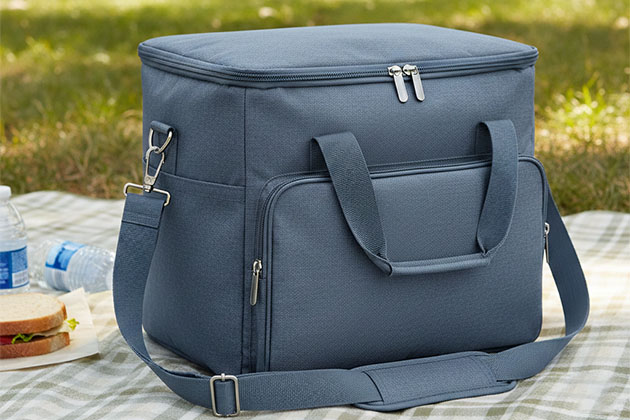
The insulation layer should match the temperature-control promise behind the bag. A common structure uses closed-cell PE or EVA foam with reflective aluminum PET lining, with PE balancing cost and weight, XPE improving moisture resistance, and EVA adding flexibility for soft-sided or backpack-style coolers.
When you compare heavy-duty cooler bag options, ask whether foam thickness, lining material, lid fit, and zipper closure are designed for the same performance target. A bag built for a short picnic does not need the same insulation package as a longer outdoor program.
Lining and foam checks
Lining checks should focus on wipeability, corner finish, odor risk, and whether the reflective layer stays smooth after folding. Foam checks should focus on thickness consistency, bend recovery, and whether insulation is compressed around seams or hard corners.
- Request a cutaway explanation or sample detail for the insulation stack.
- Confirm whether the lining is aluminum PET, PEVA, PVC, or another specified option.
- Check whether the lid and zipper area close tightly enough for the intended use.
- Load the bag during sample review because insulation panels behave differently under weight.
Waterproof Details Separate Outdoor From Ordinary
Water resistance should be treated as a construction question, not a single coating claim. PU or PVC layers on polyester or nylon can improve water resistance, and seam-sealed, roll-top, waterproof zipper, and heat-joined approaches add stronger protection in wet conditions.
If your project needs a durable Oxford insulated bag, define the real wet exposure before over-specifying the design. Light rain, beach spray, and boat use do not require identical construction, and unnecessary waterproof hardware can add cost, weight, and stiffness.
Reinforcement Decides Long-Term Handling
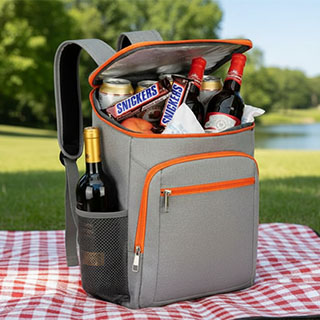
Reinforcement should be planned around the parts people pull, press, and scrape most often. Handle anchors, shoulder strap D-rings, zipper ends, bottom corners, lid hinges, and front pockets are usually more important than adding thickness everywhere. This keeps the bag strong without making it unnecessarily stiff or heavy.
Camytonc’s scale makes this kind of specification control practical: we work with more than 220 fabric suppliers, operate a 30,000-square-meter factory area, employ over 500 workers, and run more than 50 automated production lines. These capabilities matter when you need repeatable batches rather than one good sample.
Summary for Outdoor Cooler Programs
Durable thermal bag material selection works best when you connect outdoor pressure to specific construction choices. Polyester, nylon, Oxford fabric, canvas, foam, lining, coating, seams, and reinforcement should all support the same use case instead of competing inside the same design. That alignment protects both performance and budget.
For a custom outdoor cooler project, share your use case, capacity target, expected wet exposure, logo method, sample deadline, and quantity with Camytonc. We can review the material route with you before bulk approval.
Perguntas frequentes
Is nylon better than polyester for outdoor cooler bags?
Nylon can offer higher strength per pound and strong scratch resistance, while polyester often balances durability, color retention, easy cleaning, and cost well.
What does Oxford fabric add to a thermal bag?
Oxford fabric can add a structured, practical surface for outdoor insulated bags when paired with suitable coating, lining, and reinforcement.
Which insulation materials are common in cooler bags?
Closed-cell PE, XPE, EVA foam, and reflective linings such as aluminum PET are common options, with the best choice depending on duration and shape.
How can you test outdoor durability before bulk orders?
You can load the sample, carry it by each handle, wipe the lining, inspect seams, check zipper stress, and review bottom-panel wear points.
Does every outdoor thermal bag need full waterproof construction?
No. The required construction depends on exposure level, because light rain, beach spray, and water-sport use call for different material and seam choices.