
Lightweight Durable Backpack Production Challenges
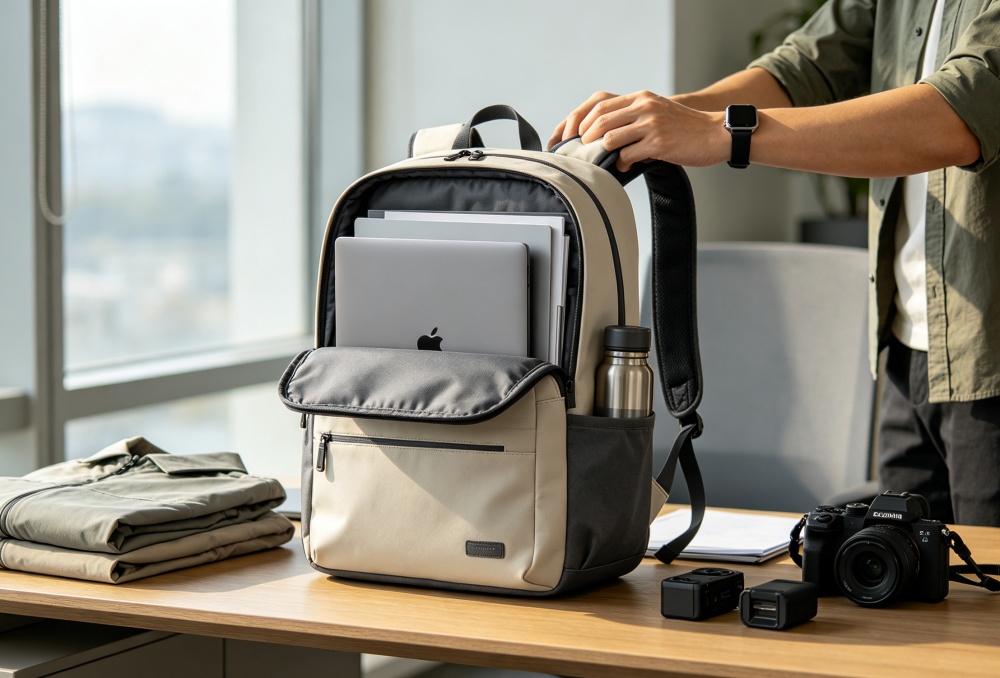
Lightweight backpacks are easy to request and hard to manufacture well. Reducing weight can weaken structure, while adding durability can make the bag bulky, stiff, or costly. For B2B buyers, the real challenge is finding the point where fabric, padding, reinforcement, and production control work together instead of fighting each other.
Lightweight Design Starts With Load Reality
Load reality should guide the first production decision. A daily computer backpack, outdoor travel pack, promotional drawstring style, and custom rucksack all carry weight in different places, so one lightweight formula cannot suit every project.
Target weight is only useful with a load case
Target weight becomes meaningful when the buyer defines what the backpack must carry. Laptop sleeves, camera inserts, sports gear, and travel clothing need different support, so the fabric plan should begin with the expected load rather than a general weight goal.
Shape stability matters after weight reduction
Shape stability often suffers when material weight is reduced too aggressively. A backpack may look clean in photos, but weak panels can collapse after packing, and soft shoulder areas can twist when the bag is carried for longer periods.
Camytonc develops custom backpack production programs with style, fabric, logo, and sample checks matched to the intended carrying scenario.
Fabric Choice Creates the First Tradeoff
Fabric selection creates the main balance between hand feel, strength, cost, and sewing behavior. Polyester, nylon, Oxford fabric, canvas, and laminated materials can all fit different backpack positions, but each one changes abrasion resistance, stiffness, surface texture, and print result.
A lightweight fabric still needs enough recovery and tear control for the intended use. If the surface is too thin, stress points around zippers, straps, and pockets can show early wear. If the material is too stiff, the bag may lose comfort and packing flexibility.
Color and coating choices should also be checked with the same load plan. A coated surface may improve water resistance or visual sharpness, but it can increase stiffness and make folded seams harder to control.
| Production choice | Hidden challenge | Buyer confirmation |
| Lighter fabric | Weak stress points | Test loaded shoulder and zipper areas |
| Thicker padding | Higher bulk and sewing pressure | Check comfort without overbuilding the shape |
| Reinforced panels | Extra weight in selected zones | Place reinforcement only where load demands it |
Reinforcement Works Best When It Is Local
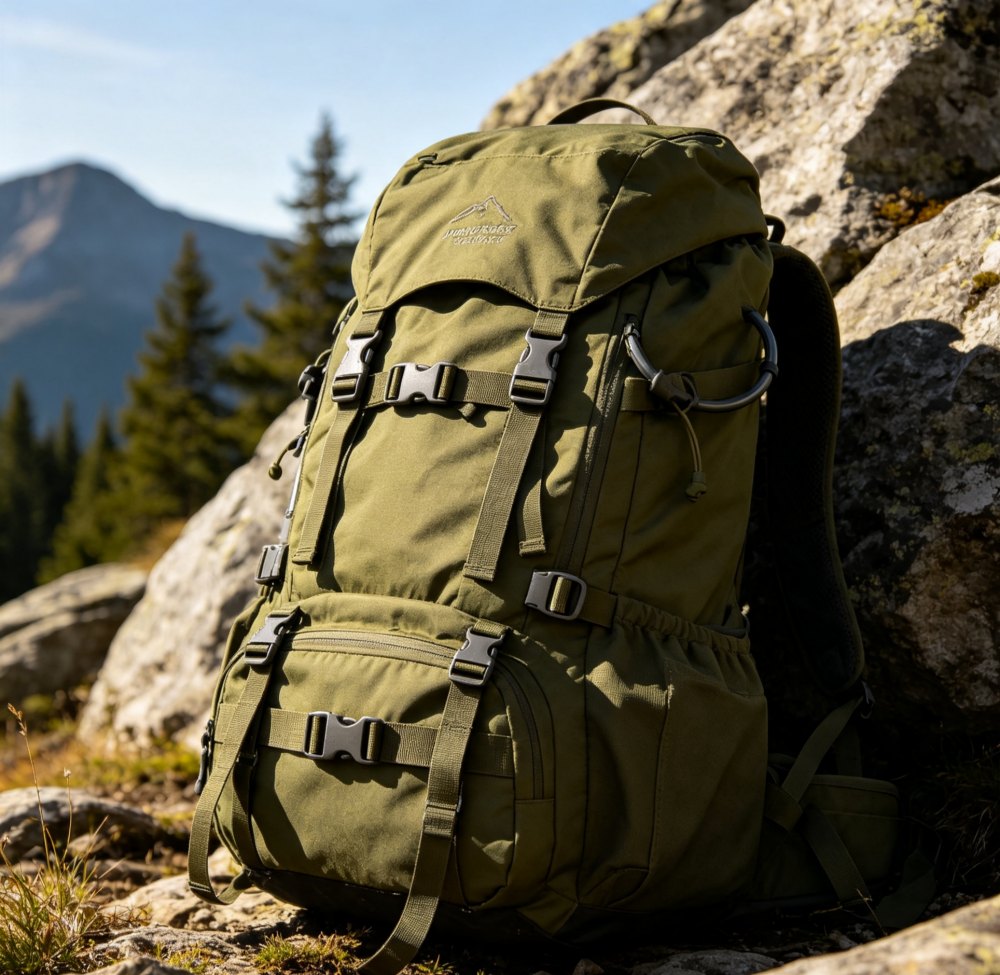
Reinforcement is most effective when it is placed where the load actually creates stress. The shoulder strap root, top handle, zipper ends, base corners, and laptop compartment often need stronger sewing or added support, while low-stress panels may not need extra layers.
Stress points should be mapped before sampling
Stress mapping helps the sample avoid unnecessary weight. Buyers can mark the heaviest contents, expected carry position, and frequent grab points so the factory can decide where bartacks, binding, backing fabric, or thicker webbing should be used.
A custom backpack that feels light should still pass the basic handling checks: loaded carry, zipper opening, strap pull, base standing, and pocket access. These checks reveal whether reinforcement is solving the right problem.
Padding Must Protect Without Overbuilding
Padding is useful only when it supports comfort, protection, or shape. Too little padding can make straps feel sharp and panels weak, while too much padding increases bulk and can make the backpack difficult to pack into cartons.
Custom padded bags need proportion control because foam changes seam thickness and sewing pressure. Shoulder padding, back panels, laptop sleeves, and camera protection zones should be confirmed separately so comfort does not turn into unnecessary weight.
- Use padding where the body touches the load or the user.
- Keep decorative padding out of zones that do not need support.
- Confirm carton packing after the padded sample is approved.
For OEM backpack manufacturing support, practical sample review connects padding thickness with strap comfort, panel shape, and bulk packing.
Sewing Control Protects Lightweight Materials
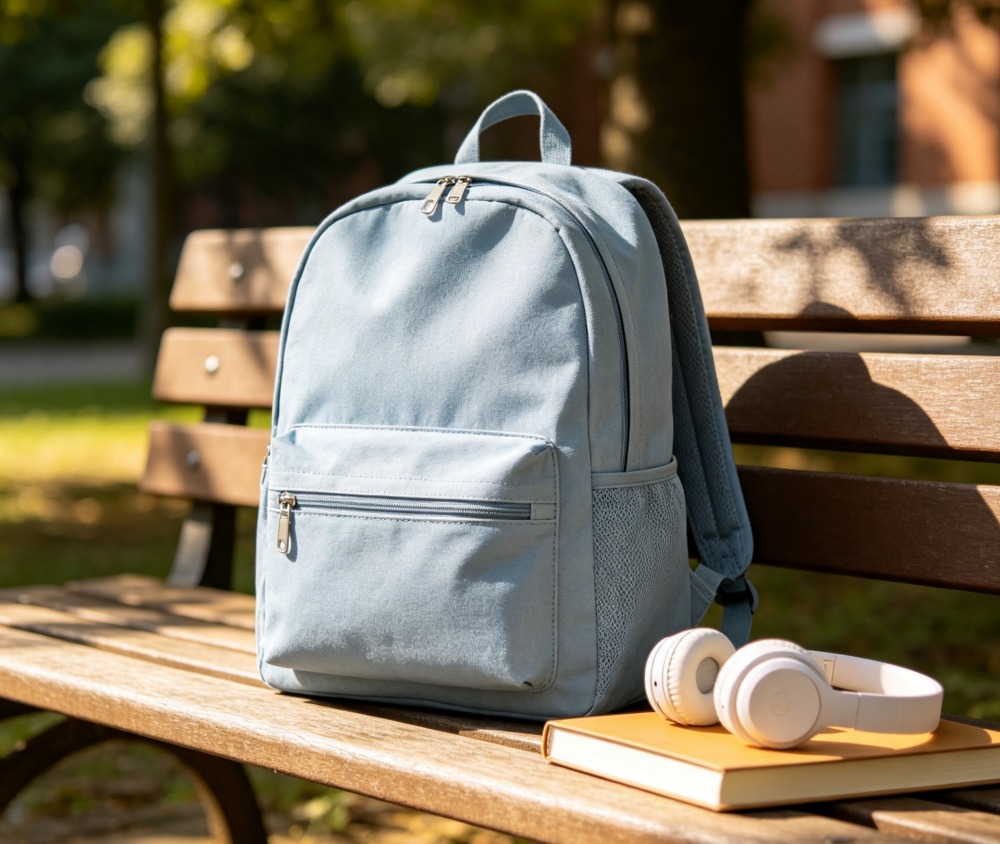
Sewing control becomes more important when fabric weight is reduced. Needle choice, stitch density, seam allowance, zipper alignment, and binding tension can decide whether a lightweight panel stays clean or begins to pucker near stress points.
Production teams should also control how panels are handled before assembly. Lightweight fabrics can stretch, curl, or shift during cutting, so pattern accuracy and consistent layering matter as much as the material itself.
Batch consistency should be checked against the approved sample rather than only against loose material swatches. The finished backpack needs the same loaded profile, strap angle, pocket alignment, and logo position across the order.
Summary: Durable Does Not Mean Heavy
A lightweight durable backpack is not made by removing material everywhere or adding reinforcement everywhere. It works when the load case, fabric, stress points, padding, and sewing controls are treated as one design system.
For a new custom rucksack or backpack line, share the target use, load weight, compartments, logo method, material preference, and order plan when you Kontaktieren Sie uns.
Camytonc can then connect those details with branded backpack development that supports a lighter build without losing practical durability.
Häufig gestellte Fragen
What makes lightweight backpack manufacturing difficult?
Lightweight backpack manufacturing is difficult because every weight reduction affects structure, sewing, comfort, and durability. The design needs a clear load case before materials are reduced.
Which fabric is best for a custom backpack?
The best fabric depends on the load, use environment, hand feel, branding method, and cost target. Polyester, nylon, Oxford fabric, canvas, and laminated materials can all work in the right structure.
How can a custom rucksack stay durable without becoming heavy?
A custom rucksack can stay durable by placing reinforcement only at stress points. Stronger strap roots, base corners, and zipper ends often matter more than adding weight across every panel.
When do custom padded bags need extra foam?
Extra foam is useful when it protects contents, improves comfort, or holds shape. It should be avoided when it only adds bulk without solving a real carrying or protection problem.
What should buyers inspect on a lightweight backpack sample?
Buyers should inspect loaded shape, strap comfort, zipper movement, stitching, base stability, pocket access, and packing volume. These checks reveal whether the sample is both light and durable.